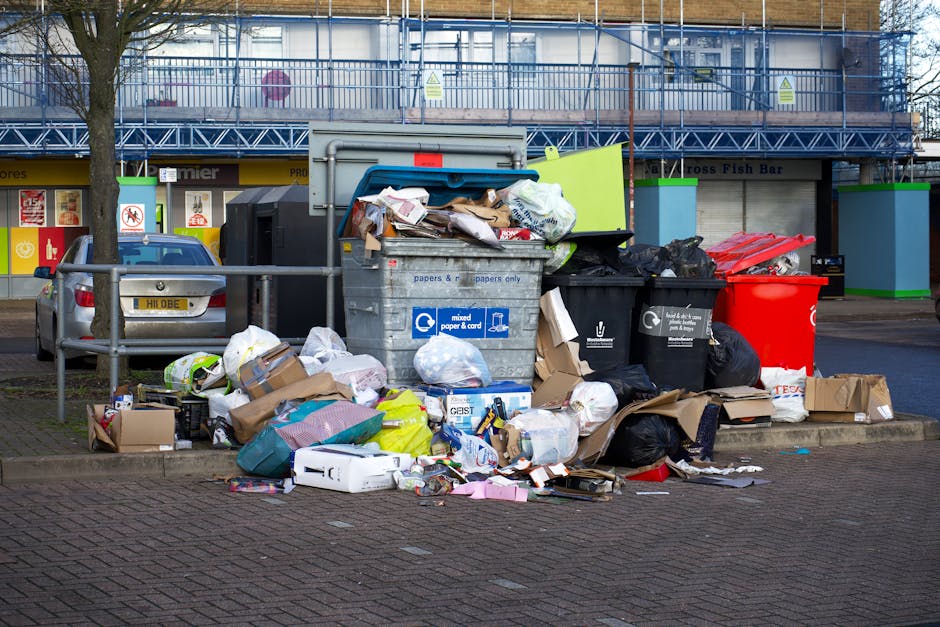
Rubbish removal for Earls Court Road markets and venues
Posted on 07/08/2026
Markets and venues around Earls Court Road have a particular kind of rubbish problem: it builds fast, arrives in mixed forms, and rarely waits for a convenient moment. One minute it is cardboard, food packaging, and broken display items; the next it is event furniture, spill waste, or the aftermath of a busy trade setup. If you are responsible for a stall, pop-up, hall, club, or live event space, rubbish removal for Earls Court Road markets and venues is not a background task. It is part of keeping the place open, tidy, safe, and on schedule.
This guide walks through how the process works, what to plan for, where delays usually happen, and how to choose a practical disposal setup that suits a busy London environment. We will also cover compliance, common mistakes, and the small operational details that make a very big difference when the bins are full and the clock is ticking.

Why Rubbish removal for Earls Court Road markets and venues Matters
Busy markets and venues work on momentum. Once the day starts, waste appears in layers: packaging from deliveries, food waste from traders, cups and napkins from guests, damaged stock, broken fittings, old signage, and sometimes heavier items like tables, shelving, or appliances. If that waste is not removed quickly, it starts to spill into the customer experience. It looks messy, smells worse, and can become a trip hazard before you have even finished setting down the next crate.
Earls Court Road is not the sort of place where you can let rubbish drift into tomorrow. Footfall, limited loading space, neighbour expectations, and tight timings all mean waste needs a plan. A market stall doing a brisk Saturday trade and a venue clearing after an evening event have different needs, but the same underlying truth: the more predictable the rubbish removal, the smoother the operation.
To be fair, waste is often treated as a final chore. Yet for local businesses it is part of brand reputation. A clean frontage, quick turnaround, and tidy back-of-house area tell people that the venue is organised. That matters whether you run a food market, a community hall, a rehearsal space, or an events venue with multiple hire slots in one day.
Expert summary: For markets and venues, the best rubbish removal solution is usually the one that clears mixed waste quickly, fits around access restrictions, and avoids pile-ups at the end of a busy trading or event cycle.
How Rubbish removal for Earls Court Road markets and venues Works
At a practical level, the process usually starts with identifying the waste stream. That sounds obvious, but it is where many problems begin. A venue clear-out might include broken chairs, mats, packaging, glass, kitchen waste, old electrics, and general rubbish. A market may generate mainly lightweight packaging and food-related waste, plus occasional bulky items from trader fit-outs or seasonal stalls.
Once the waste has been identified, it is typically grouped so that removal is faster and easier. Mixed waste often needs more careful handling than a single waste type. For example, a stack of cardboard and plastic wrap can be lifted differently from a load containing broken furniture or white goods. A good team will look at access points, timing windows, and what can be moved without disrupting customers, staff, or nearby businesses.
If you use a managed collection service, the workflow often goes like this:
- Book the collection window around your market opening, closing, or event changeover.
- Describe the waste clearly, including bulky items and any heavy materials.
- Prepare a clear loading area, ideally separated from customer-facing space.
- Remove waste in one or more organised loads, rather than as random piles.
- Sort recyclable items where possible and dispose of the rest responsibly.
- Leave the site clean enough for the next trading period or venue booking.
That final point is easy to underestimate. A rubbish removal job is not finished just because the bags are gone. The surface needs checking, any stray screws or shards need picking up, and pathways should be left clear. In a venue, those tiny details save complaints. At a market, they help you reopen quicker the next morning.
If the waste is ongoing rather than one-off, many operators also arrange regular collections alongside ad hoc clearances. That is where a broader plan can help, such as aligning with commercial waste removal in Earls Court or using rubbish collection in Earls Court for shorter-notice clearances.
Key Benefits and Practical Advantages
The obvious benefit is that rubbish disappears. But the real value is more operational than that. Good waste removal helps the whole site run better.
- Cleaner presentation: Markets and venues look more professional when waste is cleared before it spreads.
- Safer movement: Less clutter means fewer slips, trips, and awkward lifting in tight corridors or loading areas.
- Faster resets: Event venues especially benefit from quick changeovers between bookings.
- Better customer experience: Visitors notice smells, debris, and overflowing bins more than operators sometimes realise.
- Less stress for staff: Teams can focus on trading or hosting instead of chasing bin space.
- Improved compliance habits: Waste is easier to manage when it is separated, labelled, and booked out properly.
There is also a subtle but important business benefit: reduced friction with neighbours and building management. In dense parts of London, people notice overfilled sacks, late-night dragging noises, and bins left where they should not be. A tidy waste routine keeps relationships calmer. Not exciting, maybe, but very useful.
Where markets host food traders, waste control can also improve hygiene. That does not mean every setup needs a complicated system. Often it is just a sensible mix of sacks, bins, labelled containers, and scheduled removal. Simple works. Simple, done properly, usually wins.
Who This Is For and When It Makes Sense
This kind of service is useful for a wide range of people. If you are looking after a market pitch, pop-up unit, events space, heritage venue, rehearsal studio, or hospitality venue near Earls Court Road, you are probably already dealing with waste in one form or another. The question is whether your current method is working or just coping.
It makes sense if you are:
- a market organiser managing shared waste across multiple stalls
- a trader handling packaging, food waste, or display replacement
- a venue manager responsible for post-event clear-down
- a site supervisor arranging pre-opening or end-of-night clearance
- a facilities lead dealing with old furniture, fixtures, or damaged equipment
- a landlord or managing agent preparing a unit for a new tenant or hire
It also makes sense when rubbish has become awkward rather than just plentiful. That is often the turning point. If waste is blocking access, taking up storage, getting in the way of cleaning, or making staff spend too much time doing bin runs, then the site probably needs a smarter collection plan.
For some properties, venue clearance overlaps with other services. A seasonal refresh might involve furniture removal, while a larger relocation could need office clearance in Earls Court or even waste clearance in Earls Court for a more general clear-out.
Step-by-Step Guidance
If you are planning rubbish removal for a market or venue, a simple process keeps everything calmer. Honestly, the calmer version is usually the cheaper version too, because it cuts down on wasted time and awkward surprises.
1. Map the waste before it builds up
Start by identifying what is likely to appear during the day or event cycle. Separate daily waste, occasional bulky waste, and anything that may need special handling. For example, a venue may produce standard waste during the week but create a burst of broken signage, drinks packaging, or table waste after an event night.
2. Decide where waste will sit temporarily
Pick a location that is easy for staff to reach but out of customer sight. Ideally, the area should not block exits, fire routes, or loading access. In a market, that might mean a back-of-house corner or a clearly marked communal point. In a venue, it might be a service corridor or yard. Keep it practical. If people have to walk a long way with heavy sacks, it will eventually go wrong.
3. Separate what can be recycled
Cardboard, clean packaging, and some other recyclable materials can often be kept apart from general rubbish. That reduces the load on the main waste stream and can make the site feel less chaotic. If you already follow a wider sustainability approach, it may help to review the site's own recycling and sustainability guidance.
4. Book collections around real operational hours
Timing matters more than many people expect. A morning market, lunch-time venue turnover, or late-night event all need different collection windows. If a collection arrives during peak footfall, the whole site becomes clumsy. Nobody enjoys dragging sacks past customers in the drizzle at 10:45 on a Saturday. Well, nobody sensible does.
5. Load waste in a sensible order
Start with bulky items, then bagged rubbish, then loose debris. Keep sharps, broken glass, and heavy objects controlled at all times. The aim is not just speed; it is safe handling and a cleaner finish.
6. Check the space after removal
Walk the area slowly. Look for small debris, spill residue, loose fixings, and anything that could trip someone. In a venue, that final walk-through can save the next team a headache. At a market, it can make the following morning much easier.
Expert Tips for Better Results
In our experience, the best waste plans are rarely the fanciest ones. They are the ones people can actually stick to on a busy day.
- Use clear waste labels: Staff move faster when they know exactly where cardboard, general rubbish, and bulky items go.
- Keep spare sacks and liners on hand: A missing liner can turn into ten minutes of faffing, which sounds minor until it happens three times.
- Train traders or staff on what not to mix: One contaminated bag can slow recycling and create a mess.
- Plan for the last 15%: Waste always seems under control until the end of the day, then suddenly there is more of it. Funny how that works.
- Protect high-footfall routes: Use the quietest possible path for moving waste through the site.
- Match collection frequency to reality: Weekly may be fine for some venues, while others need daily clearances during busy periods.
If your venue has furniture changes or seasonal fit-outs, it can be worth grouping them with broader removal work such as furniture disposal in Earls Court or furniture removal in Earls Court. That way, you are not creating multiple small jobs that eat up time.
A final tip: keep a short note of what went out and when. It does not need to be complicated. A basic log helps you spot patterns, and patterns are where better planning begins.
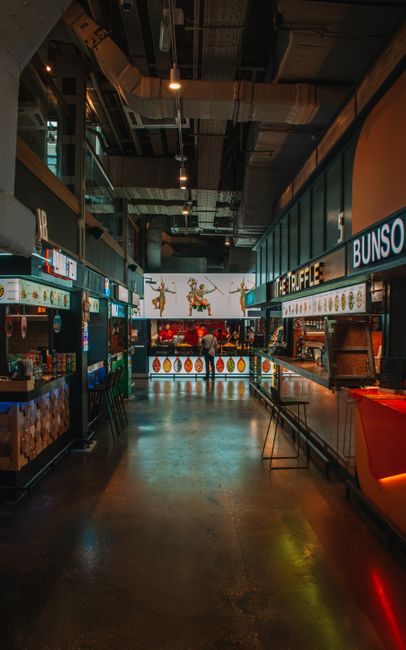
Common Mistakes to Avoid
Most waste headaches are predictable. That is actually reassuring, because predictable problems can be prevented.
- Leaving waste until closing time every time: This creates a backlog and makes every job feel bigger than it is.
- Underestimating bulky items: A few chairs or broken counters can take far longer than expected if access is tight.
- Mixing everything together: Mixed waste is harder to handle, harder to sort, and often less efficient.
- Blocking fire exits or loading points: This is a safety issue, not just an inconvenience.
- Forgetting about white goods or electricals: Fridges, freezers, and appliances need extra thought. If those are in your pile, check white goods and appliance disposal in Earls Court.
- Assuming any collector will do: A professional waste handler should be able to explain where the waste goes and how it is managed.
One mistake that comes up more than people admit is failing to plan for wet waste or spill waste after food service. A damp cardboard pile is heavier, smellier, and less pleasant to deal with than it looked at 3 p.m. small things, big difference.
Tools, Resources and Recommendations
You do not need a warehouse full of equipment to manage waste well. A few practical tools and habits usually do the trick.
- Heavy-duty sacks and bin liners: Helpful for mixed light waste and back-of-house collection points.
- Colour-coded labels: Useful for separating cardboard, general waste, and items for special disposal.
- Flat trolleys or dollies: Handy for moving bags or boxes without unnecessary lifting.
- Gloves and simple PPE: Particularly important where sharp packaging, broken items, or spill waste is involved.
- Basic waste log: A simple notebook or shared digital record can track volumes and peak times.
- Reusable storage crates: Good for staging waste before collection, especially in markets with repeated setups.
For larger or more mixed clearances, it helps to look at the wider service structure too. The pages on services overview and pricing and quotes are useful starting points when you are comparing practical options and trying to line up the right scale of support.
If your market or venue also stores items above ground level or in underused spaces, a linked clearance such as loft clearance in Earls Court can help when dusty, forgotten stock has been sitting there for years. And yes, there is always at least one mysterious box.
Law, Compliance, Standards, or Best Practice
Waste handling in the UK should be approached carefully, especially for businesses and shared venues. You do not need to become a compliance specialist overnight, but you do need to make sure the waste is passed to a legitimate carrier and handled responsibly.
Best practice usually includes:
- checking that the carrier is appropriately licensed or registered where required
- keeping basic records of collections and waste types
- separating hazardous or unusual items before collection
- avoiding blocked access routes and unsafe stacking
- making sure staff know who is responsible for waste at each stage
For venues with regular trading, this matters because waste can become a shared responsibility problem very quickly. If nobody owns the process, everyone assumes someone else has sorted it. Then the bins overflow and everybody is surprised, which is not really surprising at all.
It is also sensible to review a provider's approach to safety, insurance, and handling standards. A good place to start on the website is waste carrier licence and compliance together with insurance and safety. Those pages help set expectations before anything is booked.
For traders and venues aiming to reduce environmental impact, recyclable streams should be separated where feasible, but not at the expense of hygiene or safety. A sensible setup is usually better than an overcomplicated one nobody follows.
Options, Methods, or Comparison Table
Different sites need different waste methods. The best choice depends on volume, access, frequency, and how quickly waste needs to disappear.
| Method | Best for | Strengths | Limitations |
|---|---|---|---|
| Regular bin collection | Low to moderate daily waste | Simple, familiar, easy to maintain | Can struggle with bulky or sudden clear-outs |
| One-off rubbish collection | After events, fit-outs, or seasonal trading changes | Fast, flexible, good for mixed waste | Needs good timing and clear preparation |
| Scheduled commercial waste removal | Busy venues and repeat traders | Reliable, predictable, better for routine site management | Less suitable for occasional large clearances alone |
| Targeted bulky-item clearance | Furniture, display units, or old equipment | Removes awkward items without disrupting daily waste flow | Not a complete answer for all site waste |
For many Earls Court Road markets and venues, the right answer is a mix. Routine collections deal with daily waste, while periodic clearances handle the odd ugly burst of clutter. That combination is usually more realistic than expecting one method to cover everything.
Case Study or Real-World Example
Imagine a small indoor market near Earls Court Road with ten traders, a food stall, and a weekend events schedule. By early afternoon, the waste is already layered: empty produce trays, packaging film, napkins, cardboard, a broken folding chair, and a few bags of general rubbish that have nowhere obvious to go. By the end of the day, the back corridor is starting to look cramped.
The organiser introduces a simple system. Each trader keeps one labelled sack for general waste and one box for cardboard where possible. A designated collection point is placed near the service exit. At closing time, waste is moved in one short run rather than several awkward trips through customer areas. Heavy items are separated and booked into a proper removal slot later in the week.
The result is not dramatic, but it is real: less clutter, fewer complaints from traders, and a faster reset before the next event. The organiser also notices something else. Staff stop improvising. That alone is worth a lot.
A larger venue would do this slightly differently. For example, after a live performance or private hire, there may be chair stacks, glass waste, catering packaging, and damaged decor to remove. In that case, a more structured SW5 rubbish collection approach may be more appropriate, especially when timing is tight and access is narrow.
Practical Checklist
Use this before the next collection, event turnover, or market day clear-down.
- Have you identified the main waste types on site?
- Is there a clear temporary holding area for rubbish?
- Are staff or traders clear about what goes where?
- Have you separated bulky items from general waste?
- Are recycling items kept apart where practical?
- Is the collection time matched to your busiest periods?
- Are fire exits, corridors, and loading areas kept clear?
- Do you know whether any appliances, furniture, or specialist items need separate handling?
- Have you checked safety and compliance expectations?
- Is there a quick post-clearance walk-through planned?
If you can answer yes to most of those, you are probably in a good place. If not, that is fine too. It just means the system needs tightening before the next busy spell.
Get a free quote today and see how much you can save.
Conclusion
Rubbish removal for Earls Court Road markets and venues is really about keeping the whole operation moving. The best systems are simple, timed well, and built around the reality of busy local spaces. They reduce clutter, support safety, and make the site easier to run on your most hectic days.
If you are responsible for a market, venue, or shared event space, the smartest next step is to get clear on the waste types you handle, the timings you need, and the areas where rubbish tends to build up first. Once that is clear, everything else gets easier. Not effortless, perhaps. But easier, and that counts for a lot.
For a more complete look at related support, you can also review about us and the broader waste disposal in Earls Court information to understand how different services fit together.
At the end of the day, a clean venue or market feels calmer for everyone involved. And a calmer site, truth be told, is often a better site.